
There. I said it, and I don’t care who knows it.
Splatoon, Nintendo’s colourful and frantic third-person shooter, which debuted on the Wii U back in 2015, just had its latest entry in the form of Splatoon Raiders. Marketed as something of a spin-off from the main numbered entry, the new Raiders is a fresh take on the gameplay of the franchise. In a nutshell, it’s a Looter Shooter RPG with a single-player/co-op focus (rather than the PvP focus of the main entries), which marks something of a depature for the franchise.
But, this isn’t the first time that Splatoon has dabbled with other genre archetypes and gameplay elements. In fact, in just 11 short years, Splatoon has already dipped its squid-like tentacles in a myriad of different gaming spaces.
Splatoon is a 3D Platformer
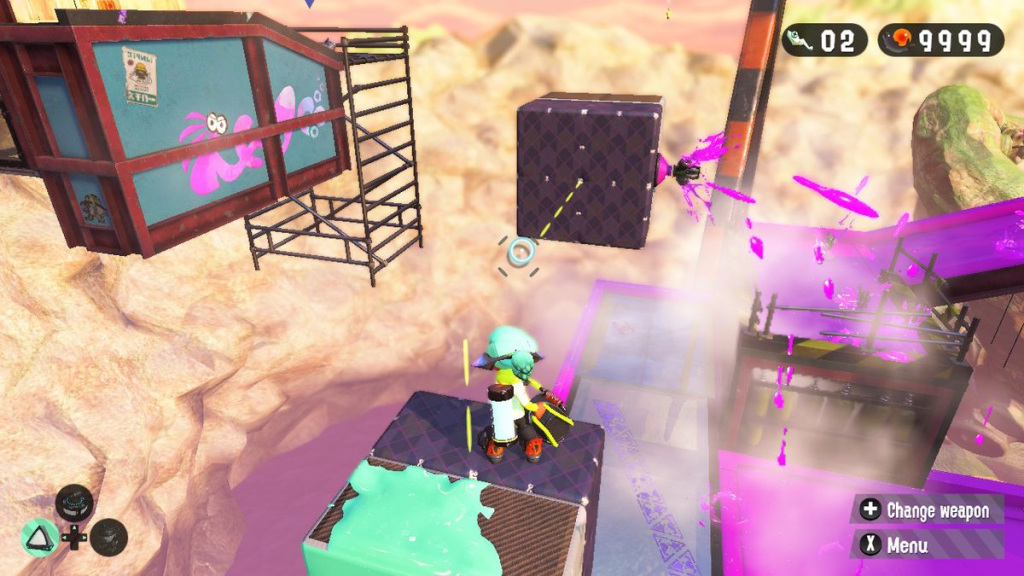
Although it’s most widely known as an online competitive shooter, Splatoon has always had its roots as a 3D platformer. The original 2015 game used areas from Super Mario 3D World during its prototyping stage, the game’s focus on ink is immediately reminiscent of Super Mario Sunshine, and Miyamoto himself admitted that Mario was considered for the starring role in the first Splatoon.
Its unique movement involving swimming through ink, and spraying ink up vertical surfaces and falling through grated surfaces naturally allows for a lot of creative maneuverability within a 3D space, and this is always put at the forefront in Splatoon single-player modes. The core single-player in Splatoon 1, 2 and 3 are essentially platforming/third-person shooter hybrids, and this works extremely well. The tight controls, vibrant worlds and verticality of ink traversal make this a fun marriage of gameplay elements that will no doubt remain a mainstay in all future entries.
Of course, this is also tapped into in Splatoon Raiders. The challenge levels known as “Sampler Dungeons” are restrictive, removing many of the game’s wacky abilities and power-ups, stripping the experience back to just the core Splatoon movement experience, and testing players in many 3D traversal puzzles that are very much reminiscent of levels in the previous entries.
Splatoon is a Roguelite
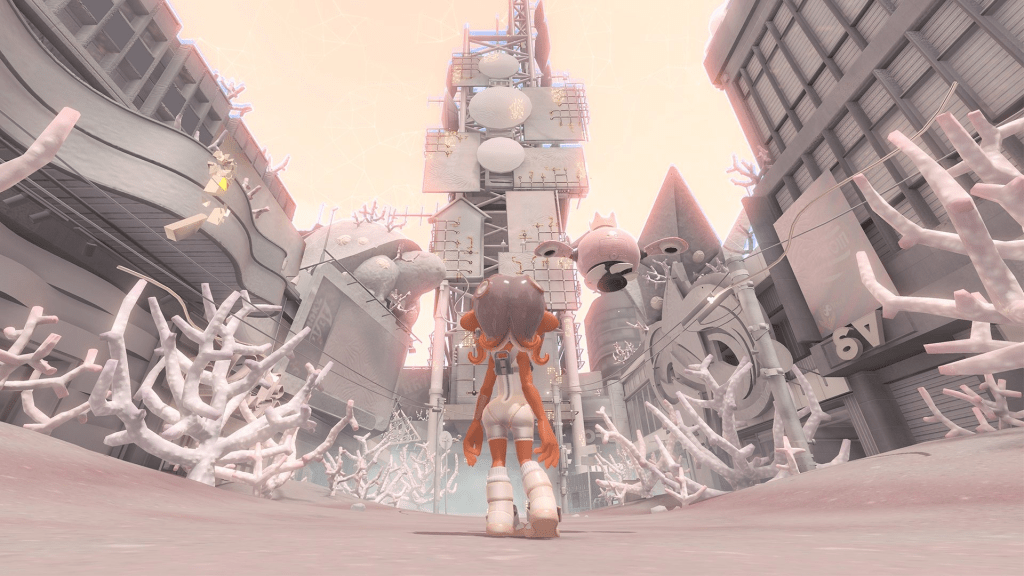
Splatoon 3′s Side Order Expansion involved traversing a virtual spire consisting of 30 floors. Die, and you’ll lose all your progress. Along your way, you collect keys and collectibles which allow you to add modifiers and upgrade your abilities for your next run. A classic roguelite affair. And it works perfectly with Splatoon’s gameplay! Floors are short, intense challenges that borrow from elements every aspect of the core game, including platforming, objectives that feel like they’re straight out of the PvP multiplayer, and hordes of enemies that overwhelm you, akin to the Salmon Run mode. It all coalesces into a highly replayable and incredibly slick game mode that is distinctly different visually from the other modes. Splatoon typically opts for vibrant, primary colours, but Side Order is comprised of pastel colours, muted shades and an eerie off-white.
Splatoon is a Co-operative Horde Shooter
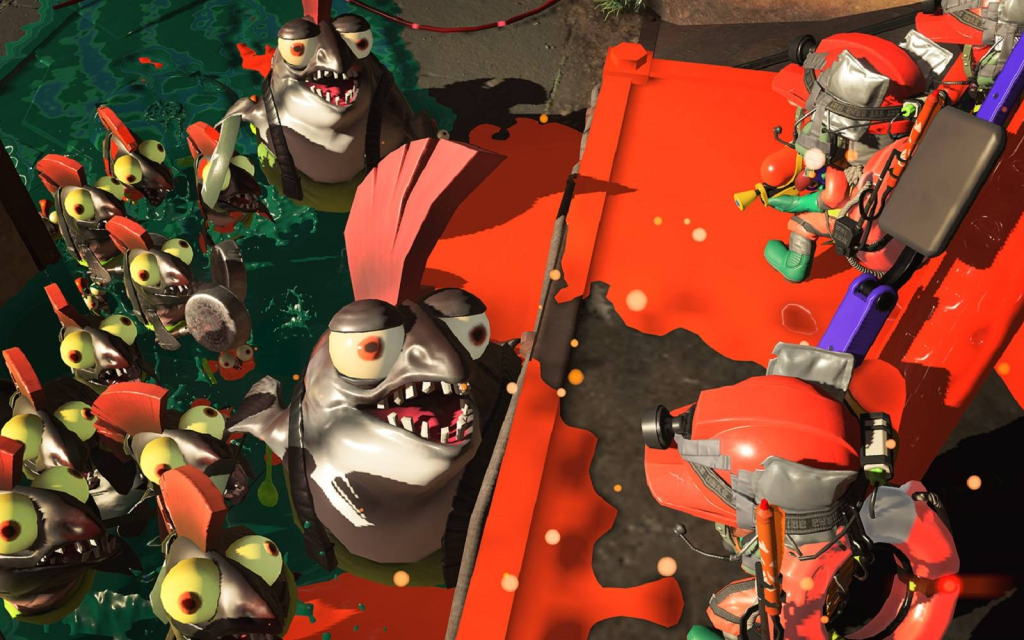
Featuring in Splatoon 2 and returning in Splatoon 3, Salmon Run is a co-operative horde survival mode, not too dissimilar in structure to Zombies, Firefight or Mercenaries in Call of Duty, Halo or Resident Evil, respectively. Teams of four players team up to take on increasing masses of titular salmonids, fighting to collect their eggs and hold off overwhelming numbers of enemies. It sounds simple, but it can get very tense, and one wrong move can put you in serious danger. Throw in special enemies and ludicrous boss battles, and you have yourself an intense, chaotic and challenging co-op experience.
Splatoon 3′s iteration of the mode only added upon the solid foundations, adding new maps, new enemy variants and bosses, and more unlockables. Salmon Run remains my personal favourite mode, and one of the reasons that I was so excited about the announcement of Raiders, as it looked to borrow so heavily from this mode in particular.
Splatoon is a PvP Multiplayer Shooter
Arguably the core of the main series, Splatoon’s PvP has long been seen as Nintendo’s “answer” to the likes of Call of Duty or Halo. Whilst these comparisons don’t hold much water, this is the most dedicated that Nintendo has been to maintaining a serious and fairly competitive team-based shooter. Despite its child-like whimsical appearance, Splatoon’s PvP is not a casual affair. Thousands of dedicated and skilled players duke it out across a variety of modes including Turf War, Tower Control, Rainmaker and Clam Blitz, and I must warn you – you are likely to get absolutely annihilated, at least at first. Matches are short and sweet, making them easy to jump back into for another round, and the progression system will have you grinding away to deck out your Squid with a fresh new drip or a deadly new weapon.
It’s rare for Nintendo to take a win in the online space, but I think that Splatoon’s online modes have long been its most successful experiment in the competitive multiplayer space. Nintendo themselves have hosted more than 20 competitive Splatoon tournaments around the world, and both Splatoon 2 and 3 still have active online communities playing in 2026.
Splatoon is a Lore-Heavy, Post-Apocalypse Narrative
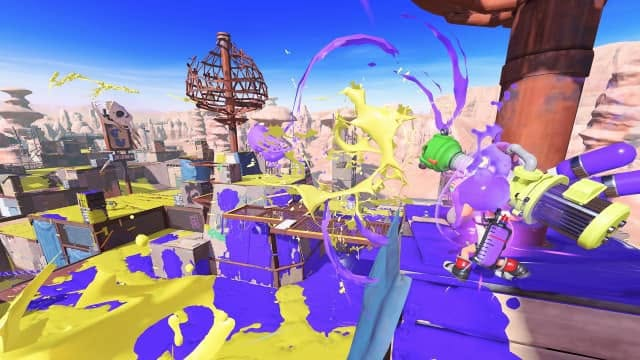
Taking a look at most screenshots or gameplay footage of Splatoon, you might be surprised to hear that the setting of this game is on a post-apocalyptic Earth, approximately 12,000 years after the extinction of the human race, following an event known simply as the Great Turf War. Climate change caused the oceans to continue to rise, and marine life then evolved to live on land. Squids became Inklings, and Octopuses became Octarians and Octolings. I could go on, but the point here is that Splatoon’s setting and plot are surprisingly well thought-out. Motifs and themes carry over across games, with characters returning between games, with even a few dark revelations being hidden away for players to piece together themselves through optional collectibles and relics. There are entire communities online dedicated to fan theories and conspiracies, with “Splatoon Icebergs” being created, based on secrets and hints alluded to within the games.
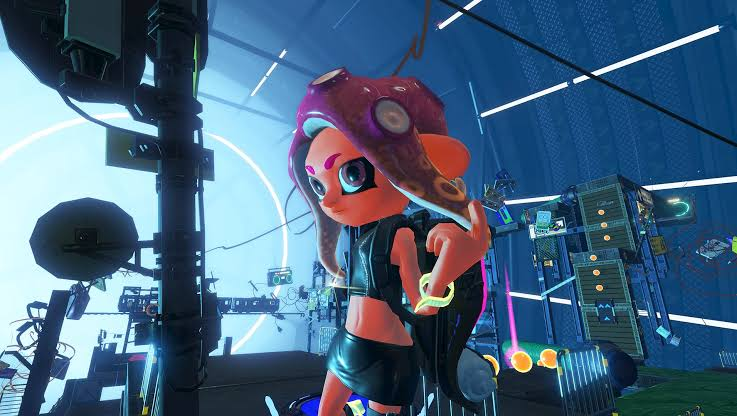
Both Splatoon 2 and Splatoon 3 received story-expansions in the form of the Octo Expansion and Side Order, both of which focusing around a mysterious new character called Agent 8. These both featured stylish and varied new locales, and added to the intrigue and scope of the traditional single-player content of the base games.
For such a jovial and upbeat series, Splatoon’s lore is surprisingly in-depth, and surprisingly dark at times. It’s unusual for Nintendo to pay this much attention to their own worldbuilding, as they famously prefer to focus on gameplay first, but Splatoon has managed to nail both sides of the coin here consistently well across the franchise.
Splatoon is a Live Service Living World
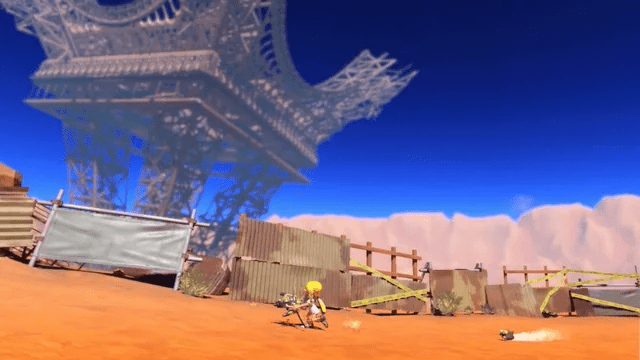
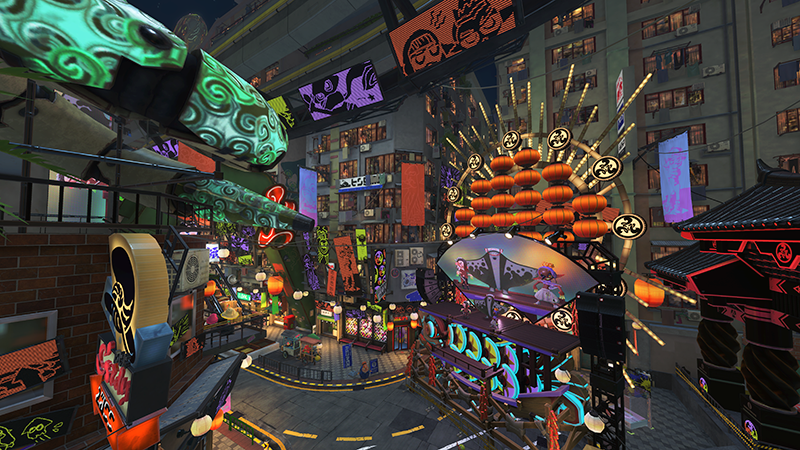
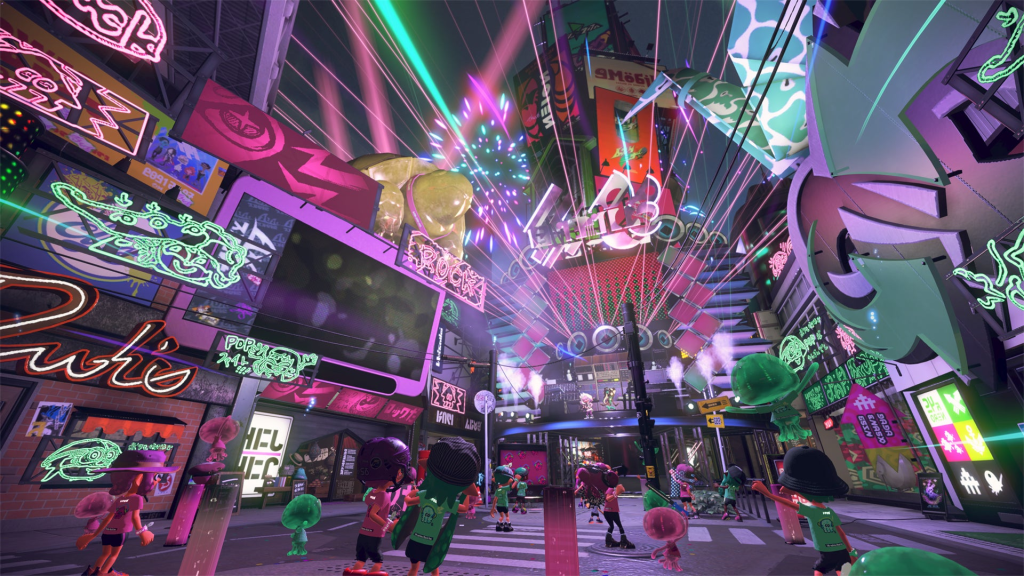
Even back on the Wii U, community was a major tenet of Splatoon‘s identity. The menu of the main games has always been a bustling city plaza, populated with depictions of other players’ avatars, and messages and artwork that they have broadcasted. Whilst it’s not direct interaction like an MMO, this simple function helped the game to feel alive at all times. Player customisation and expression is a key component of the series identity, and its persistence in-game between matches helps to drive this home. You might spot a player sporting a cool new outfit that you want to unlock, or you might come across the guy who absolutely annihilated you in the previous game, just to find that he has been posting messages in-game about failing all of his exams. At least he has Splatoon.
On top of that, Nintendo have kept Splatoon’s online world feeling fresh with semi-regular updates in the form of new gear, weapons and maps. In addition to that, though, are its famous SplatFests – exciting contests where players’ performances online contributes to their team’s position on a chosen topic, to decide some of humanity’s all time big questions. Ketchup vs. Mayo, Fries vs. Nuggets, Pokémon Red vs Pokémon Blue… it’s all been decided in SplatFests.
During SplatFests, the central in-game hub gets a festival makeover, further adding to the interconnectedness and “living world” feel to the experience. And, of course, each game’s hosts, be they the Squid Sisters, Off the Hook, or Deep Cut, provide players with regular updates when the game is booted up regarding the latest map additions, SplatFests, and general news.
And, if that wasn’t enough, then how about the Grand Festival? An enormous 72-hour long in-game event in Splatoon 3 to celebrate the game’s second anniversay which included in-game musical acts and cut-scenes, new gear and brought the game’s Past, Present and Future SplatFest to a close.
Splatoon’s unique approach to worldbuilding and nurturing a captivated online community is really novel to experience, and you really do feel like you are part of a community when you are playing online, especially during festivals and events.
Splatoon is a Looter Shooter RPG
So, this brings me back to Raiders. The 3D platforming, squid-form ink maneuvering, fast-paced third-person shooter core of the game is here and it’s tweaked to perfection. On top of this solid foundation is a robust and in-depth system that utilises a variety of upgradable gear, special moves, classes and skill points that acts as a very addictive “one more go” gameplay loop. You are tasked with exploring archipelagos and caverns swarming with Salmon Run’s salmonid enemies, fighting off increasingly insane varieties and swarms of enemies to find ancient treasure, new weapons and gear, and level up your character. If you find yourself struggling against the hordes of foes, you can request help from friends or randomers online to even the playing field, or you can grind for better loot, tweak your build to optimise your playstyle or level up.
Splatoon Raiders doesn’t reinvent the core of what players love about Splatoon. It’s still zany, expressive, colourful and overflowing with nautical fun. It’s still a third-person shooter with heavy 3D platforming mechanics. But more than anything, Raiders feels like an evolution of the series which takes lessons from every single previous entry and previous experiment that the series has been so far, and strides confidently forward with the strongest gameplay in the franchise yet.

Splatoon Can Be Whatever The Heck It Wants
Splatoon is, relatively speaking, only a baby. It’s only been around for 11 years, which is nothing compared to the ancient behemoths of Donkey Kong, Zelda, Metroid or Mario. Splatoon’s (relative) youth leaves it free from the constraints of legacy that many of Nintendo’s franchises are beholden to, and I think this gives it much more flexibility. The developers have proven time and time again that Splatoon can adapt to different genres, gameplay styles and aesthetics, whilst still maintaining its core appeal; and at this point I’m fully onboard with whatever the series’ future is. Perhaps there’ll be more fleshed out base-building and crafting. Perhaps there’ll be a much deeper dive into the world, lore and characters in a sprawling open world RPG. Or perhaps, after being included in Mario Kart 8 Deluxe but shunned in World, the Inklings will get a kart racer all of their own…
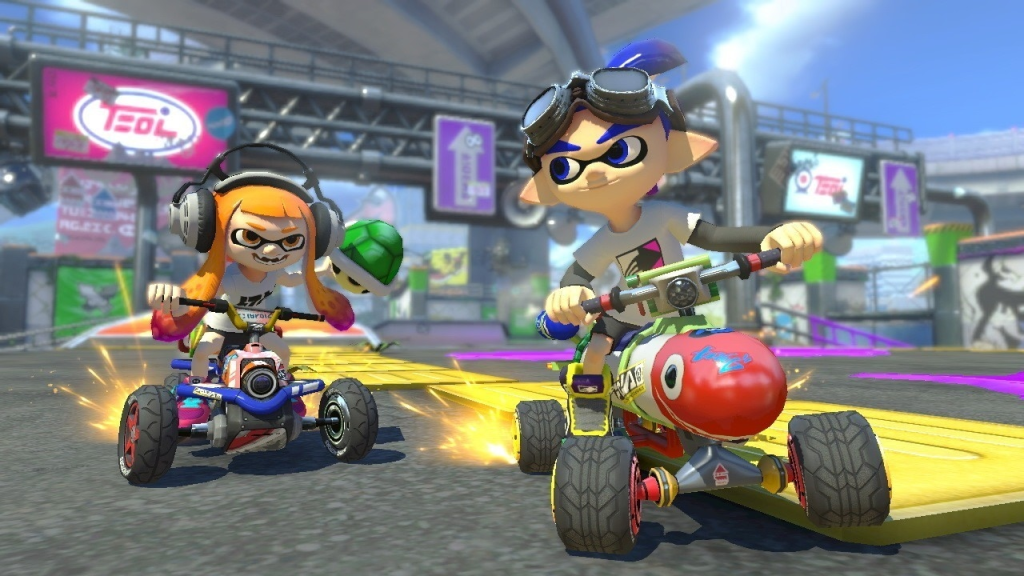
Whatever the future holds for Splatoon, you can bet that it will be bright, inventive and drenched in style (and ink)!


Leave a Reply