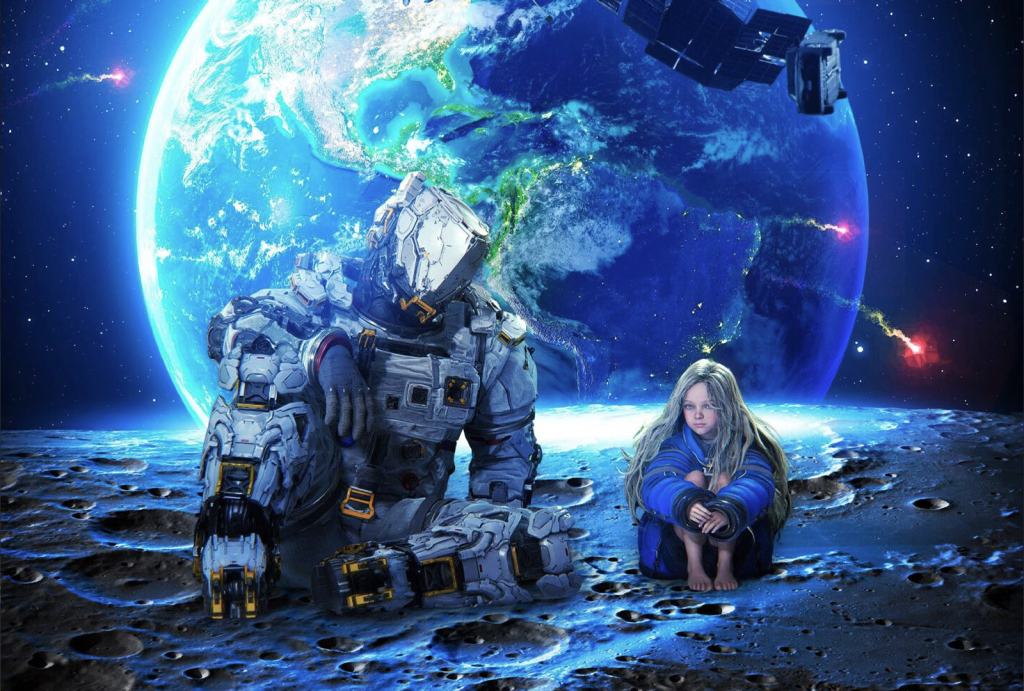
Capcom are on something of a roll of late. The enormous success of Resident Evil 9 is obviously the biggest headline for them so far this year, but I’m personally far more interested in the success of their smaller, original new title, Pragmata. But – just what is Pragmata? It’s not a sequel to a beloved and long-running franchise. It’s not a sprawling open-world, and it sure as hell isn’t a live-service battle royale or extraction shooter. It’s a 10-15 hour long singleplayer campaign that feels like the best Xbox 360 game I’ve played in a long time; and I say that with the utmost reverence for that era of gaming.
How long is a piece of string?
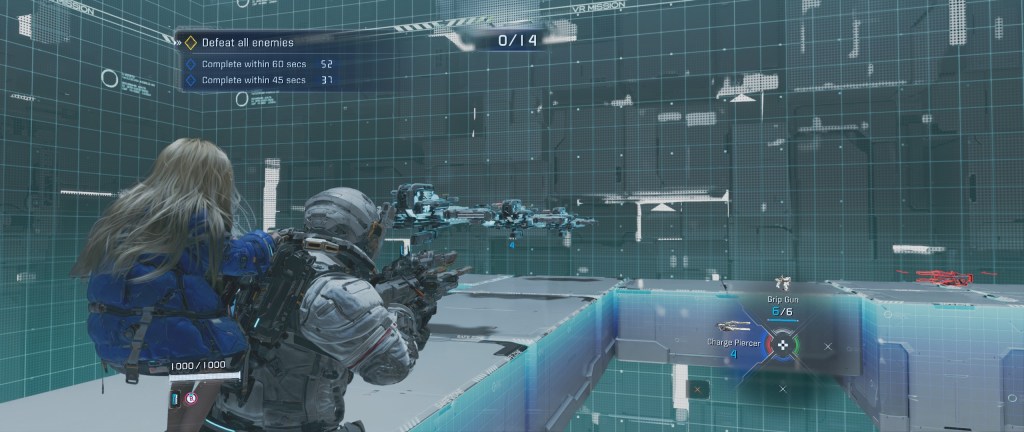
Pragmata is not an 80+ hour behemoth. It is a linear singleplayer experience with a very clear beginning, middle, and end. There are, of course, plenty of optional challenges, collectibles and unlockables to be found which players can choose to engage with or ignore entirely, but this isn’t a title that demands weeks of your time; and that’s perfectly OK. I love me a huge, expansive time-sink of a game, but I will admit that I have been seeking out shorter and more finite experiences more and more lately, especially in-between playing larger titles. There is a lot of space in the market for titles like this at the moment, as I think that the tide has turned on the industry’s open-world fixation. Titles such as Dynasty Warriors 9, Metroid Prime 4, Halo Infinite and Mirror’s Edge: Catalyst are all often cited as recent(ish!) examples of games with solid foundations that are needlessly bloated and brought down by their inclusion of open-world elements, so I am pleased to see that Capcom had the vision and faith in the scope of their project to keep it contained and true to a core vision.
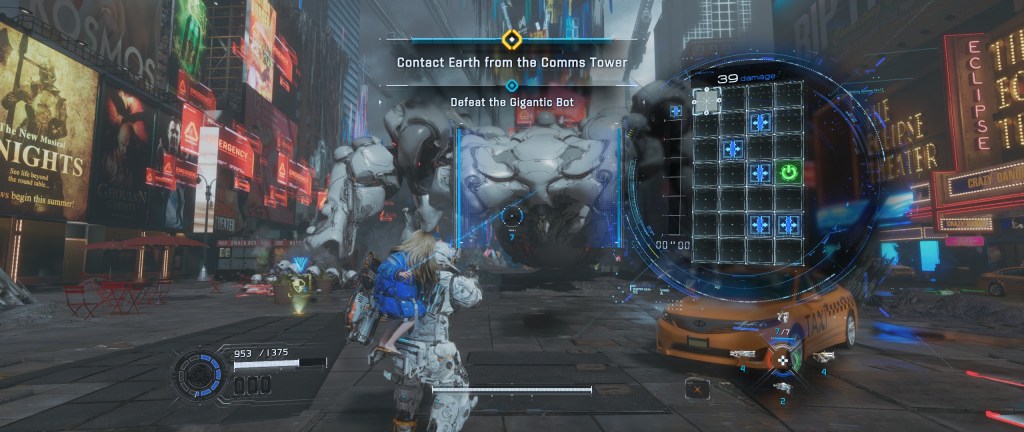
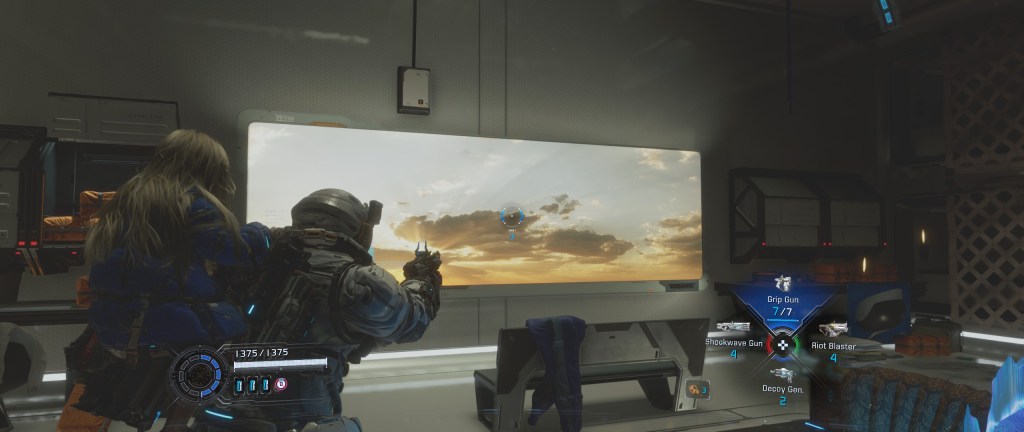
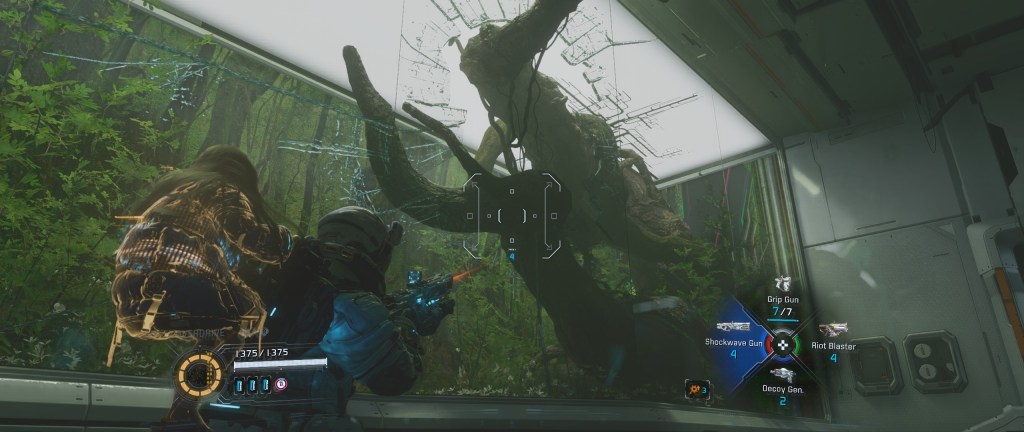
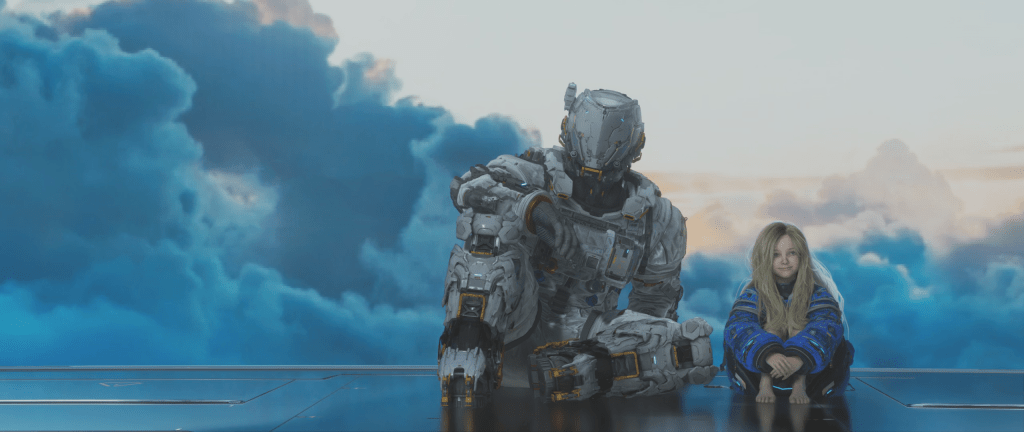
Pragmata‘s unique selling point – and core narrative conceit – is a marriage of tight gunplay and hacking mechanics. Hugh, the bulky spacesuit-donning dude with an arsenal of weapons and thrusters, is reliant on an AI girl, Diana, who is capable of weakening and exposing the array of increasingly unhinged “bots”, and this creates a unique dynamic where you’re simultaneously having to keep on top of your movements and shots whilst peeling away enemy defenses via an interactive and fast-paced hacking interface. The result is a surprisingly effective and intuitive system that keeps encounters feeling fresh and dynamic throughout – every time you think you’ve got a handle on it all, the game will throw a new enemy that requires a unique strategy to defeat, or a new type of weapon to mix things up. It’s perhaps for the best that the game isn’t overly long as I expect the concept would eventually begin to wear thin after 50 hours, but I think that it manages to carve out a compelling niche that works from both a narrative and a gameplay perspective for the duration of its runtime.
The Price is Right
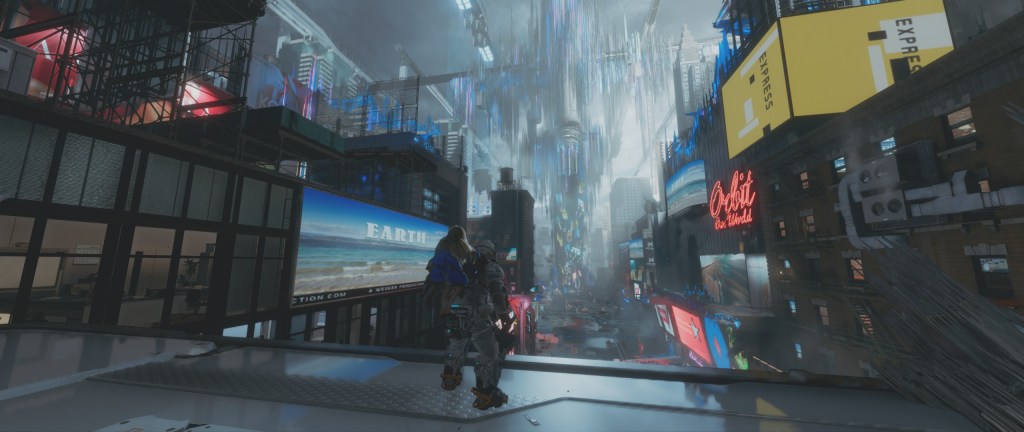
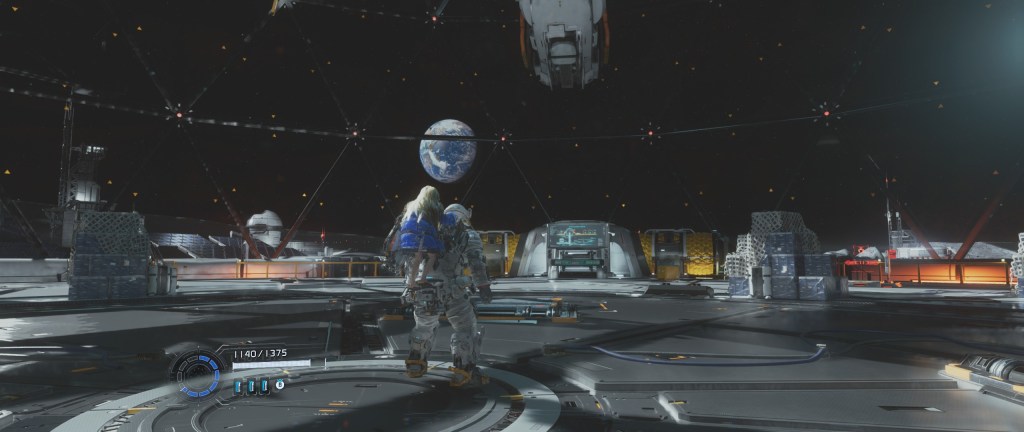
In a similar vein to the discussion on the game’s length, it’s refreshing to see a new title from a large studio at a more budget price point. £50 RRP (and £5-£10 less if you shop around!) for a new non-indie release in 2026 is an increasingly rare sight. Whilst I am hesitant to get into the discourse around money spent vs. hours of entertainment, as I think this makes all media too transactional and implies that every hour spent is of equal artistic value and enjoyment – which it is not – I will say that this feels like a fair price for the game’s scope. What Pragmata lacks in longevity and scale, it makes up for in density and quality. Every inch of this title is beautiful, fleshed out and realised. From the stunning and surreal landscapes of the game’s giant 3D printing compound on the Moon setting to the energetic and eclectic electronic soundtrack, I can’t fault Pragmata for its presentation. Technically, the game is also very proficient, launching across PC, PS5, Xbox and Switch 2 simultaneously with stellar performances reported across each system. Whatever your preference, you’ll be able to pick up Pragmata and know that you’re playing a version of the game optimised for your platform of choice.
Not a Remake, Not a Sequel
It’s refreshing to see a totally new title from Capcom make such a splash. It reportedly already sold over 1,000,000 copies in its opening weekend, and I expect that it will enjoy a steady stream of sales across all platforms, given all of the buzz around it at the moment.
With budgets ballooning across the industry, studios are generally less willing to take risks on entirely new series and characters that audiences don’t already have an affinity to. Like it or not, there’s a reason why the latest Call of Duty, Mario Kart and FC are constantly at the top of the charts. People know what they’re in for with these series. Capcom themselves are no strangers to playing it safe with their releases – their own Monster Hunter, Street Fighter and Resident Evil series are amongst the most popular and recognisable series around at the moment, and they all regularly get new entries. Additionally, they’re no strangers to remaking classic titles – Resident Evil remakes have been a huge element of their output for years now. It’s exciting, then, that they also seem to have the time, the resources, and the desire, to work on these smaller original projects too.
The game runs on the RE Engine which was built specifically for Resident Evil, and this seems to have afforded the project a lot of benefits. Sharing the same engine allowed for simultaneous development of multiple games on the same engine, with features from one game ending up benefiting the other. For example, the rendering technique used for Diana’s hair in Pragmata was reportedly then implemented into Resident Evil 9 for Grace. I understand that the game went through a somewhat troubled development cycle, but it remains impressive that Capcom have had so many concurrent projects on the go at once. Since Pragmata was announced in 2020, the publisher and developer has continued to release a variety of titles, so it’s not as if the entire studio’s resources were tied up in development of Pragmata. And that’s exactly what I appreciate about this game – it’s not a tentpole release that will determine whether Capcom floats or sinks. It’s a mid-scale experiment that has been a resounding success.
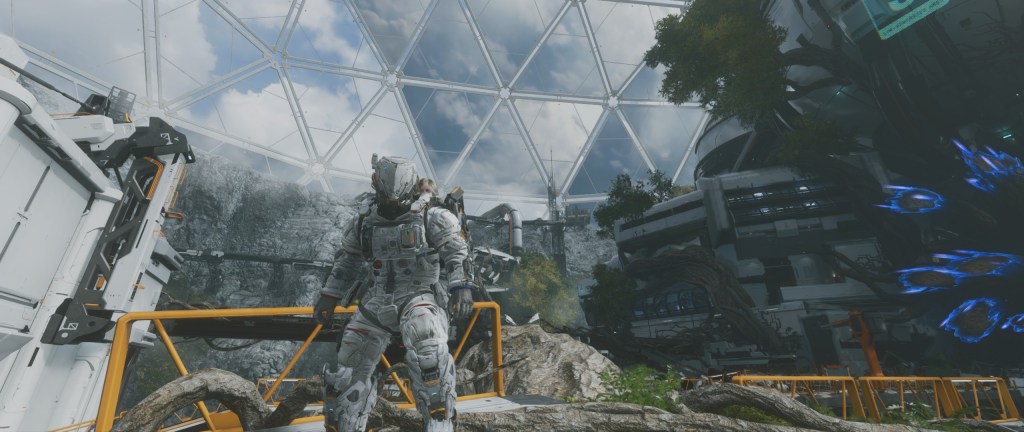
If you are feeling burned out by many of the gaming industry’s modern trends and just want an action-packed linear title with fun, creative gameplay and a straightforward narrative that is excellently presented, you can’t go far wrong with Pragmata. As I said, everything about this game harkens back to the Xbox 360 era – an era which contained a plethora of quality new IP mid-budget games. Here’s hoping that other large studios can follow suit and deliver in this high production value, “medium-sized game” multiplatform space with creative ideas and new worlds.
 thegameoverarchives.com
Leave a comment