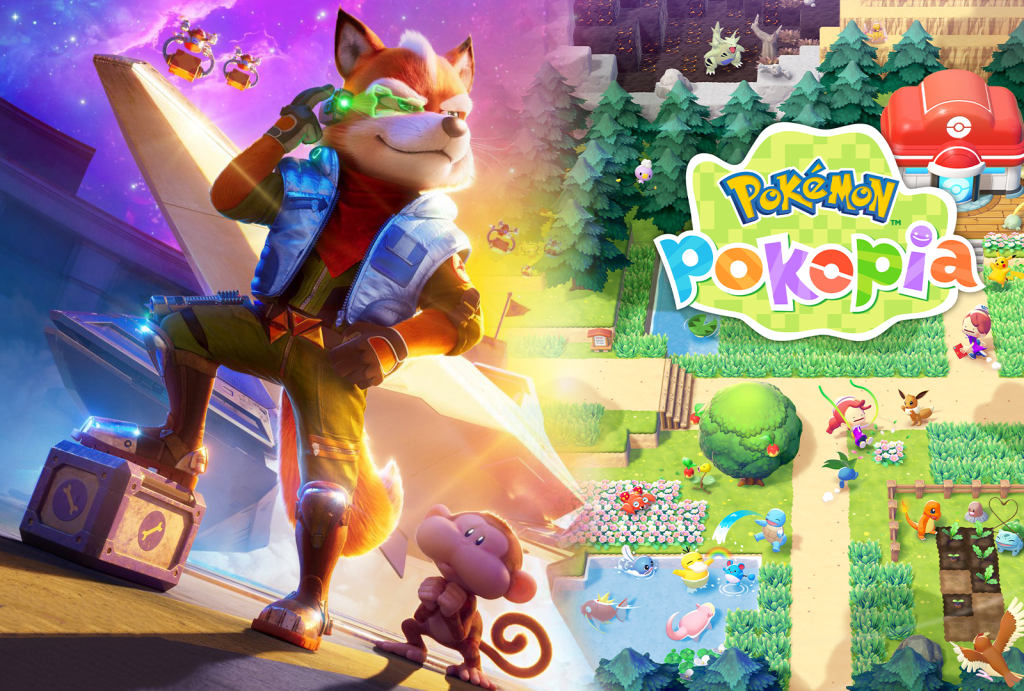
Whether it is through official announcements, rumours, leaks or just pure speculation, much of the online gaming discourse over the past decade and beyond has been shaped by Nintendo games. Mario, Zelda, Pokemon, Animal Crossing, Xenoblade, Smash, Fire Emblem, Splatoon, Donkey Kong, Starfox – the star power and caliber of Nintendo’s franchises always generates a huge buzz.
Nintendo’s motto is “to surprise and delight players”. I’d like to explore two recent examples, one where Nintendo got it very right, and one where I think they made a significant misstep, regarding their “surprise and delight”.
Pokémon Pokopia and the Art of Restraint
The initial announcement trailer of Pokémon Pokopia was…modestly intriguing.
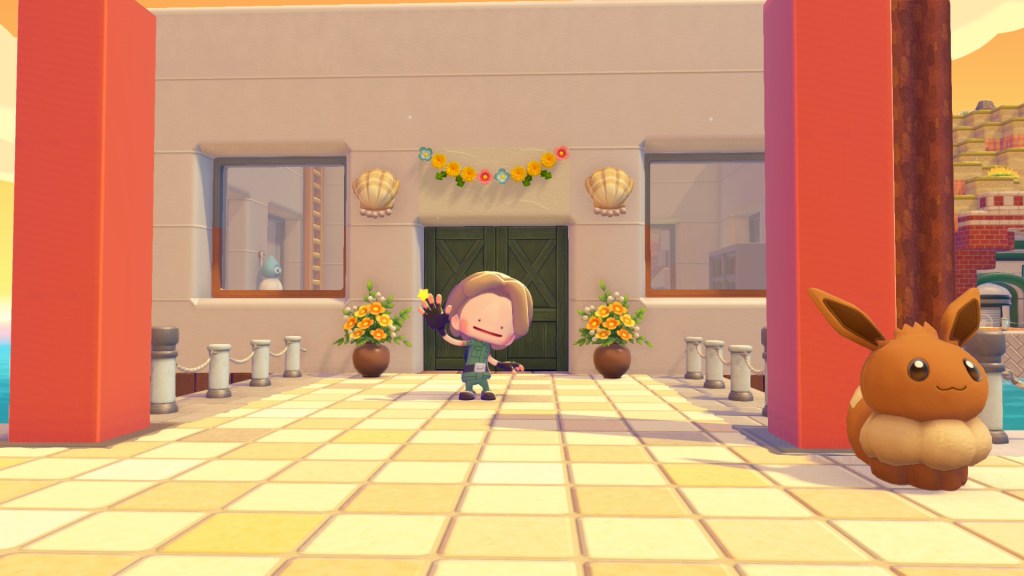
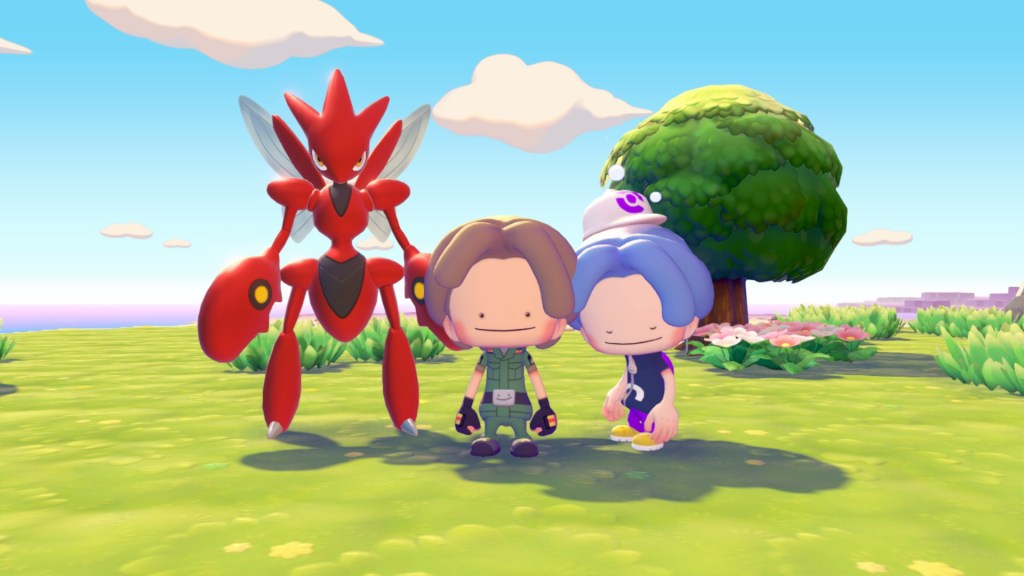
There was, of course, a lot of discussion around the announcement of a new Pokémon spin-off game, and people had a lot to say about the quirky Ditto character design. The trailer was incredibly restrained, though, giving only a tiny glimpse of what the game would entail. It did a good job of conveying the premise of the game – humanity has disappeared, and it’s up to you and your Pokemon pals to reshape the world as you see fit. It shows you that you are able to learn abilities to mold the land around you, but it keeps its cards close to its chest. I’d say that I had kept a semi-interested eye on the game in the lead up to its launch, but I can’t say that the trailer had entirely sold me on the title. It wasn’t until the unanimous chorus of glowing reviews and buzz around the launch that I was convinced to take the plunge.
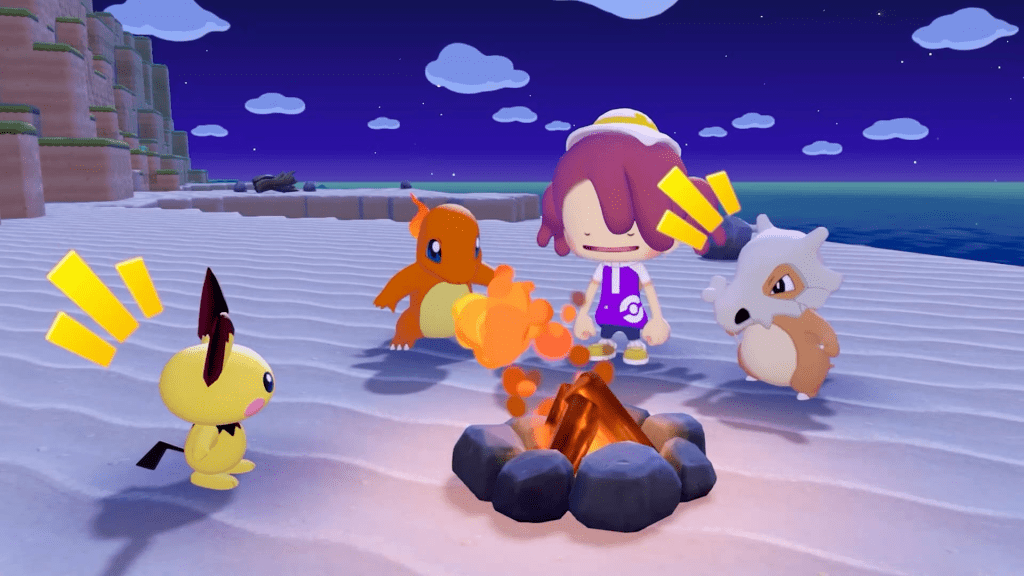
What followed was an absolutely wonderful journey of discovery and excitement as I played through the game. 90% of the footage in the announcement trailer takes place in a small area within the game’s opening region, so within my first play session I had already moved past almost all of what the trailer had to show us. And I am so pleased that this was the case; it meant that the rest of my playtime with the game was jam-packed with discoveries.
I had no idea what the true scope of the game would be. Many titles in the “cosy life-sim” genre feature very small game worlds. Animal Crossing, for example, restricts players to a modestly-sized island as their playground. This is absolutely fine for the style of gameplay that Animal Crossing is going for, but I can’t deny that I would enjoy a larger and more expansive space to make my own, and to explore. Exploration and discovery have been huge motivators and sources of both surprise and delight during my time with the game. Not only is that opening area far larger and more expansive than I initially imagined, but it is just one of five large ecosystems that the game has to offer. And these areas are populated with many secrets to be found – mysterious Unown ruins underground, abandoned townscapes and farms, harbours, an enormous museum, the SS Anne ship, and more.
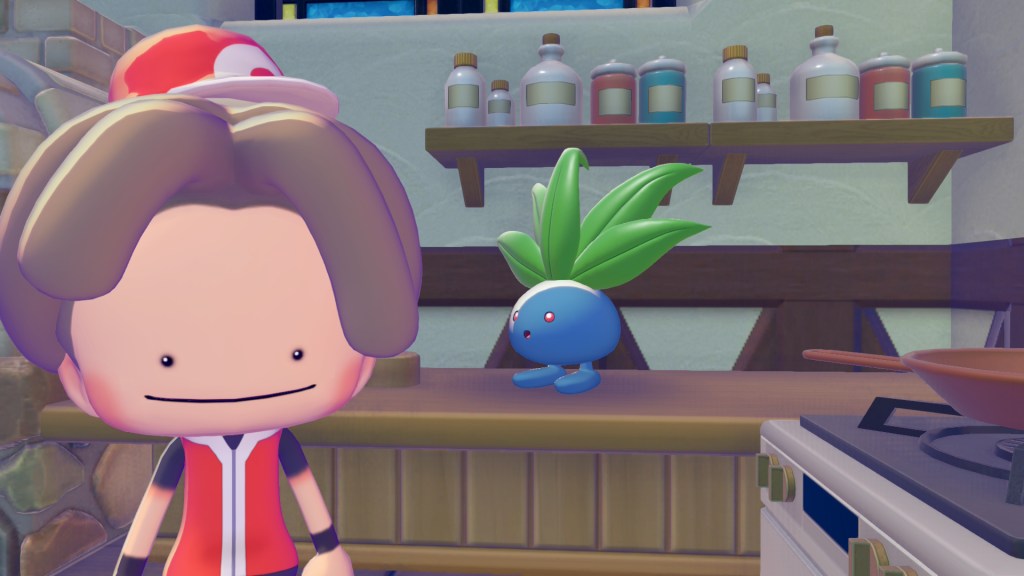
In addition to the game world, I was pleasantly surprised by the story of Pokopia. Many of its contemporaries such as Minecraft offer the player absolutely nothing in the way of guidance, but Pokopia manages to strike a compelling balance between player freedom and providing direction. Each of the game’s areas has a central issue or task that needs resolving, and it’s up to Ditto to attract Pokemon, gather materials, acquire skills and construct habitats in able to solve the problems. It’s nothing groundbreaking, but it serves as an engaging tutorial for the mechanics that the game has to offer. Powering items with electricity, raising humidity levels to appeal to specific Pokémon, cooking meals to power up specific abilities – these are all mechanics that were not alluded to in any of the marketing material, and they are gradually introduced in a way that keeps Pokopia feeling fresh. The story acts as an effective on-ramp to introduce all of its primary offerings to the player, but it’s presented in such a way that you can come and go as you please. I’ve taken frequent breaks between the main objectives to continue to work on my main town which I have named “Dittown”, gradually applying the new abilities and terraforming options as I learn them.
I am almost 70 hours in now and I am yet to visit the game’s final zone. I know that I have abilities still to unlock, and there are still presumably hundreds of Pokémon for me to discover. And I am so thrilled that I have been able to discover all of this myself. Moments like Kyogre appearing in the ocean, awakening from a deep slumber, spotting a Ho-Oh flying overhead, or stepping into the second area and beginning to comprehend just how much this game has to offer – these are all moments that would have been severely less impactful had they been plainly outlined to us in marketing and trailers. I am very much of the opinion that less is more when it comes to trailers – show us enough to pique our interest, but let the experience speak for itself. It’s one of the main reasons that I tend not to watch film trailers if I can help it – I prefer the lack of expectation when going in blind.
Starfox, and Nintendo Spilling the Beans Too Early
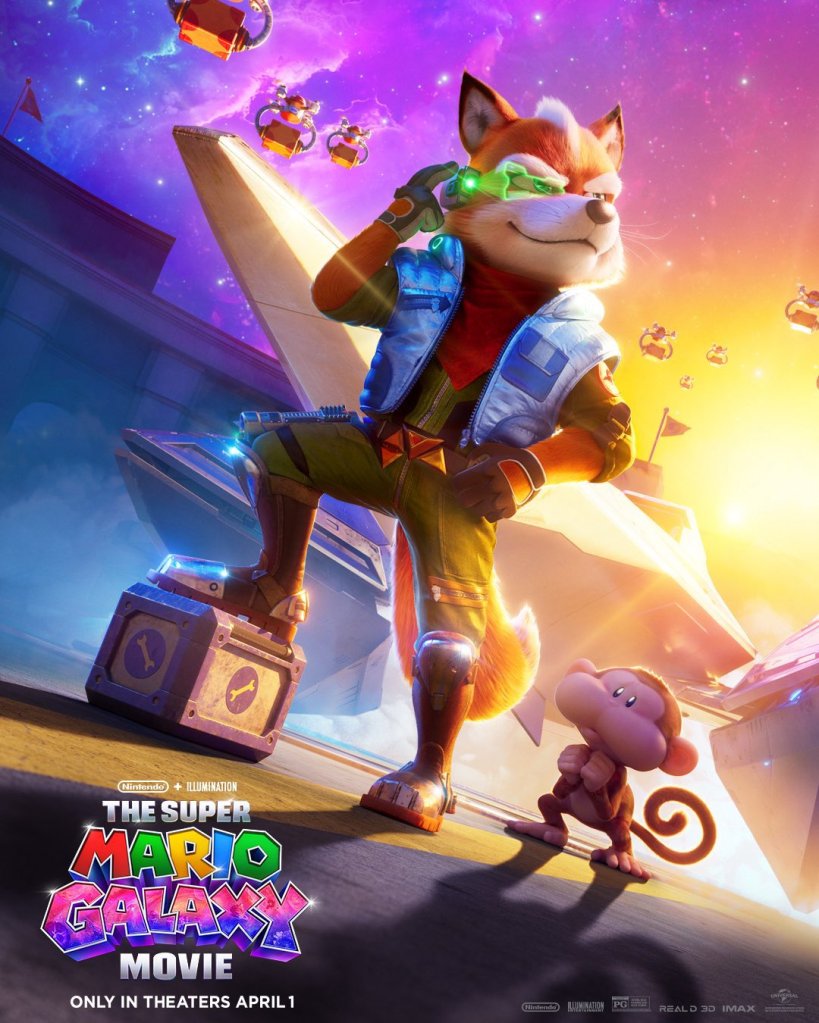
Speaking of films – this moves me nicely onto the flipside of this discussion. Starfox. Just days before The Super Mario Galaxy Movie released in cinemas worldwide, Nintendo shared a poster for the film depicting Fox McCloud, star of the Starfox games. This was absolutely wild for a number of reasons. Firstly, there was no indication whatsoever that other Nintendo series were planned to be a part of the Mario movies outside of easter eggs, so that alone was getting people talking. Secondly, Starfox is one of Nintendo’s unfortunate franchises which seems to have been essentially shelved. The likes of Mario, Zelda and Pokémon are pretty much the undisputed A-listers of Nintendo’s roster, but there are then a second tier of franchises that have had a bit more of a tumultuous history. Metroid has had its long hiatuses, but currently it is the fans of F-Zero and Starfox who I feel for. Once considered staples of Nintendo’s software library, both series have been largely absent for a long time outside of easter eggs and references in other titles. The last Starfox title was 2016’s Starfox Zero on the ill-fated Wii U – so this sudden acknowledgement of Fox in such a major way was a huge surprise.
I just wish that this major surprise had been left for viewers of The Super Mario Galaxy Movie to discover for themselves. Because I had already seen the poster and all of the buzz and discourse which followed, it came as no surprise to me whatsoever when he showed up in the film. I wish that this had been kept a secret, as its impact as a plot beat in the film, and as a formal acknowledgement from Nintendo that Starfox is still alive and kicking, would have been far more impactful. It was definitely still cool to see him in action in the film, but as soon as Princess Peach mentioned needing to find a pilot, I’d already made the connection and knew that he was about to show up.
It seems increasingly likely now that a new Starfox game is on the cards. Rumours from notorious leakmonger NateTheHate seem to affirm this theory, and I really do hope that it’s true. I just wish that Nintendo had held onto their big surprise for at least a few weeks until after the film had released.
Pokopia isn’t the first example of effective restraint in a game’s marketing. 2017’s Breath of the Wild was a similar story – all of the pre-launch trailers and preview footage was set exclusively in the game’s tutorial area, the Great Plateau. This meant that players were left to enjoy the surprise and delight that awaited through the natural course of progression and exploration. Similarly, 2025’s Donkey Kong Bananza kept its major third act shakeup a complete secret, and almost a year later Nintendo have still not officially acknowledged a certain major character’s return in any artwork, social media posts or news releases relating to the game.
Let’s hope that whatever is next for the Switch 2’s line-up – whether it involves a new Starfox or not – takes notes from the more restrained examples of Nintendo’s marketing, as it will result in a richer experience for everyone who plays and enjoys their games.
 thegameoverarchives.com
Leave a comment