
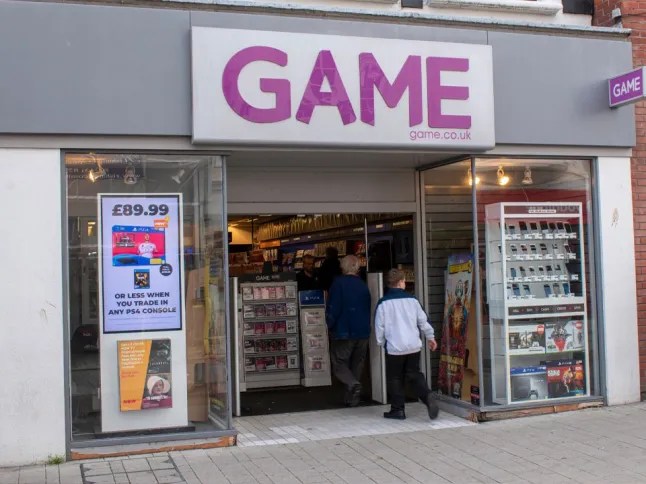
Head to the city centre or the high street anywhere in the UK in 2025 and you will likely have to venture into the depths of a Sports Direct to find the increasingly bare and dilapidated wares of GAME, the lone remnant of our once-thriving high street gaming vendors.
Dare to peruse the wares of a GAME store today – even the few that remain as independent dedicated standalone stops – and you’ll find an increasing number of items that are only tangentially related to video games. Action figures, Lego, Funko Pops and an assortment of RGB-laden headsets and keyboards seemingly placed just to fill the shelves, next to a paltry selection of new releases priced at £70, and a meagre showing of leftover bulk, shovelware and…trading cards.
Following the launch of the Switch 2 earlier in the year, I headed to my local GAME, foolishly hoping that they might stock the Switch 2 Pro Controller or a selection of games to peruse. I got there to find not a single Switch 2 item in stock – no points of sale, no displays, not even a poster up on the wall to commemorate the literal biggest launch of a console of all time. When I enquired at the desk, a member of staff who was clearly a Sports Direct employee begrudgingly stationed at the GAME side of the desk simply told me that they weren’t stocking any Switch 2 items. OK then.
But…Just how did we get here? It wasn’t too long ago that I remember seeing queues out of the door for new console launches, and tales of people arriving hours before a midnight launch and playing their DS in line with other customers while they waited for the next exciting hardware or latest game.
Once upon a time, GAME had competitors. EB Games, GameStation and ePlay were once all fellow retailers in the high street, but through being either shut down or acquired, we soon ended up with just the singular pink monolith that is GAME. Other retailers stock games, from Supermarkets giants to secondhand stores, but GAME are the only shop in town now dedicated to videogames and selling new releases.
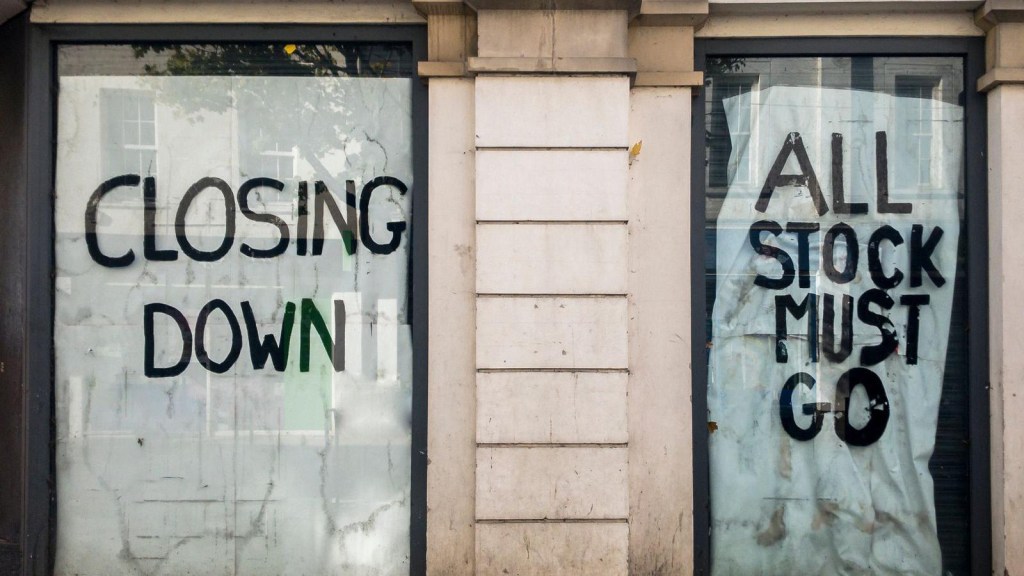
But, with over 40 GAME stores shutting in 2020, and at least a further eight closing this year, is time running out for the last man standing in this market?
Death of the High Street
It’s no secret that shopping centres, outlets and high streets are on a long-term decline, suffering a slow death as more and more of our purchases are made online. The 2010s saw an enormous surge in online shopping, spearheaded by the likes of Amazon, Asos, Ao.com and Ebay, with even long-established brick and mortar retailers such as Currys, ScrewFix, John Lewis and IKEA pivoting to serve an increasingly digital consumer base. Supermarkets, too, began their transition to offer delivery options.
Slowly but surely, the mindset of consumers has shifted away from “popping into town” and ending up visiting a myriad of different shops. It still happens, but it’s no longer the default, or only, method of shopping for people.
All of this change was only accelerated further by the COVID lockdowns in 2020 & 2021. The unique global circumstances during this period forced retailers to close, and pivot to alternative means of remaining profitable. Take a walk around your local shopping centre in 2025 and it is clear to see the impact of this transition to online shopping and next-day deliveries. The rising cost of rents for retail spaces, too, will have been a big factor in driving many retailers out of business (or becoming buried in the depths of existing stores, as is the case for GAME).
The Price Is (not) Right
(priced cited here are correct at the time of writing – 15/11/25)
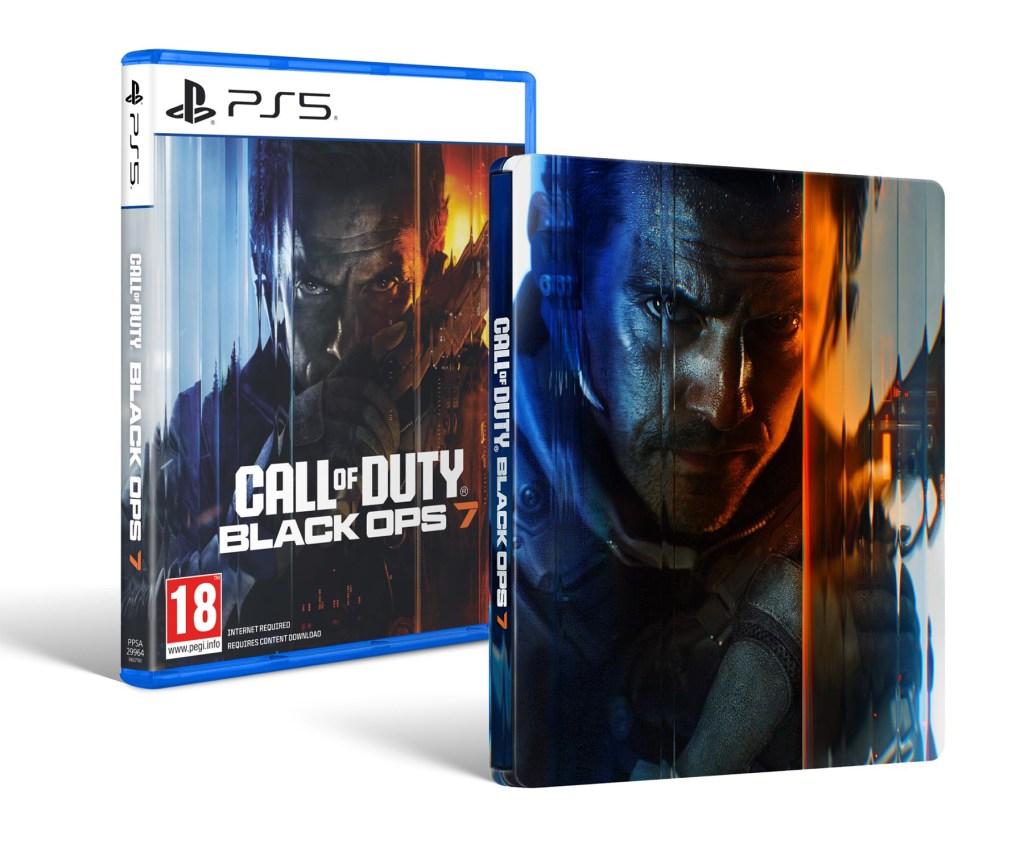
Aside from the esoteric choices of product that GAME choose to stock these days, the most shocking thing to me is the price of their products. No wonder people are choosing to shop elsewhere. Not only do online retailers provide additional convenience, enabling new games to arrive on release day at consumers’ doors, but they are almost always offering this at a lower price than GAME. Take Call of Duty: Black Ops 7, the latest in Activision’s yearly military FPS series. It is on sale for £64.99 for PS5 and Xbox Series X on GAME’s website, which is the same price in-store. If I want to buy it from their website, I also have to pay a £4.99 delivery fee (?!), which is still applied even if I choose to pick it up in-store, which makes this a £70 purchase. If I want next-day delivery, that fee jumps up to £9.99.
The very same game is available from Amazon and Smyths Toys for £54.99, with free delivery/collection, and a special offer currently on with Argos which allows new users to sign up for a service called Cashback and get the game for £44! These aren’t small savings – these are significantly different prices – 22% and 38% cheaper respectively. Amazon and Smyths both show the game’s RRP as being £59.99 (which they are both undercutting), so it seems that GAME selling Black Ops 7 above RRP in addition to charging you for delivery. No-one aside from the truly clueless would be voluntarily purchasing games at these prices from GAME. It’s no surprise, then, that they are struggling. I truly wonder if this is just a greedy cashgrab, or whether their dwindling sales have forced them to raise prices in order to recoup rising rent and upkeep costs. Either way, the writing is on the wall and it isn’t a pretty sight.
Digital Libraries & Trade Ins
The move to online shopping isn’t the only change that has affected our dear GAME. Digital storefronts that entirely bypass the need for physical purchases, and games which subsist entirely on in-game purchases such as Fortnite, Apex Legends and Roblox all cut out the middle man (GAME, in this case) out of the equation entirely. Sure, you could go into GAME and purchase a £20 Fortnite pre-paid card, but are you actually going to do that? I don’t have stats on-hand for this one but I imagine that only a tiny fraction of Fortnite transactions are made through purchases of physical gift cards.
Steam, Nintendo, Sony, Microsoft – everyone has their own digital eShop, and digital game sales are becoming more and more popular than ever. Each respective piece of hardware seeks to retain entrenched players by supporting backwards compatability, meaning that digital purchases made on my original Switch back in 2017 like, say, Snipperclips, still boots up and runs perfectly well (if not, better) on my 2025 Switch 2. Digital storefronts require no staff to man them, no rent or traditional upkeep, and no physical manufacturing costs for cartridges, discs, manuals or boxes. It’s a lean process that means publishers don’t need to hand out portions of game sales to retailers, manufacturers or distributers.
Digital storefronts and digital libraries also kill a once-major income stream for GAME – second-hand games. Trade-ins provided retailers with a way to keep 100% of the money made from their sales, as all of the associated manufacturing and licensing costs had been paid from the game’s initial sale when it was a new game. This came at the cost for GAME and retailers that people would build up trade-in credit which would shave off money spent on new consoles or game releases, but trade-in credit was accumulated by customers handing in their old games which GAME then sold at a 100% profit, so it was quite a tidy moneymaker for them. In 2024, GAME announced that it would no longer be offering trade-ins, essentially phasing out the selling of second-hand games. Many lamented this, as it had been an affordable way to keep up with new releases if you weren’t bothered about holding onto games forever. However, trade-in prices had long been the butt of jokes as the credit you were offered for games seemed to dwindle over time. With more and more games being sold digitally, and the stalwarts who still buy physical games tending to hold onto them for longer, the market for trade-ins and second-hand games has more or less dried up, with CeX being the only retailer left in town offering this service. CeX stock is entirely second-hand though, and I suspect that the rise of this retailer had begun to significantly cut into GAME’s share in this space.
Is their fate inevitable?
It seems strange that videogames are more profitable than ever before, but GAME and high street retailers seem essentially incapable of capitalising on it. The truth of the matter is that physical media is not popular amongst Gen Z and Gen Alpha, particularly in gaming, and a frankly astonishing amount of money that goes into gaming nowadays is being exchanged through mobile apps and on digital storefronts, all out of reach of the hands of traditional retailers.
I can somewhat understand the attempt to diversify stock, moving into trading cards, Lego and other merchandise akin to the likes of HMV, but I don’t think this is going to be enough to keep GAME afloat. I give it five years until they are gone for good.
Part of me laments this inevitability, as I have a lot of fond memories of my teenage years, planning trips solely around picking up my latest pre-order. Super Mario Galaxy, Super Smash Bros. Brawl and the launch of the 3DS were all memorable ocassions where going into GAME felt like a communal experience, where you were surrounded by dozens of other people there to pick up their copies too.
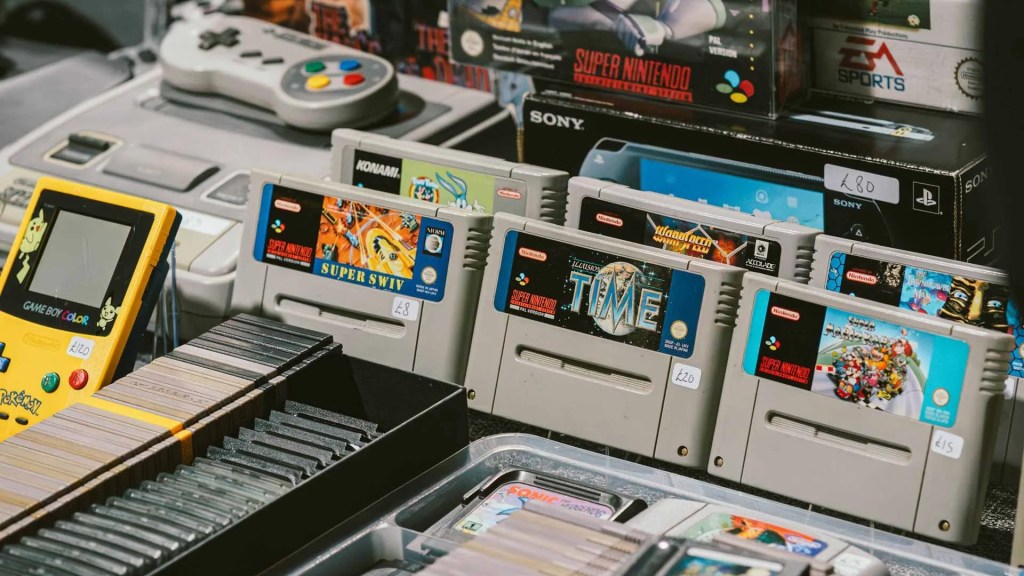
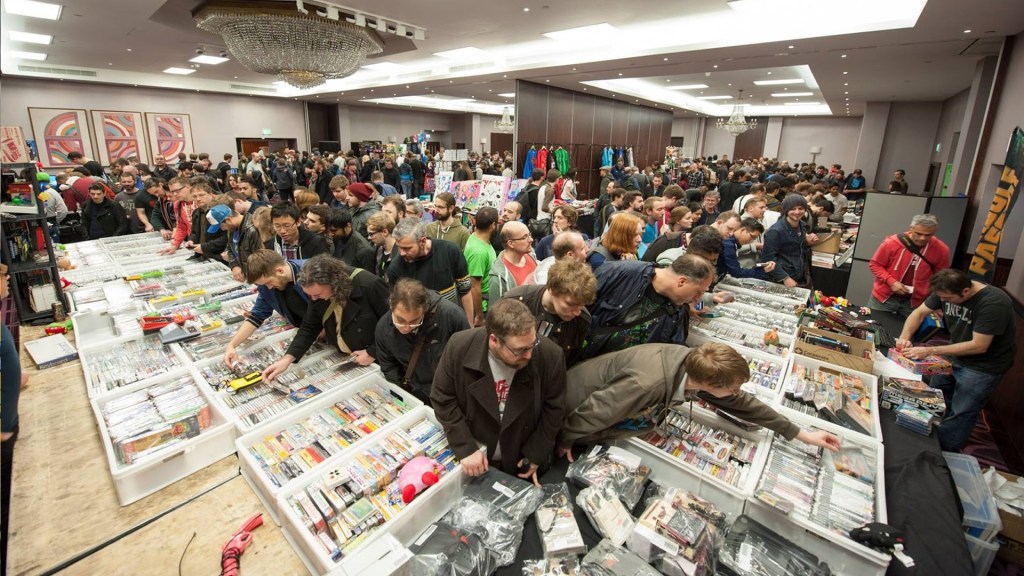
To end on a somewhat positive note, I’d like to close with a recommendation—as physical media becomes more and more of an enthusiast’s game, I’d recommend anyone interested in buying or selling physical games plans a visit to one of the UK’s many gaming markets, run by Replay Events. They run regularly across the country, with hundreds of retailers selling new releases, retro games and consoles, merchandise, figurines, trading cards and more. I purchase most of my games online nowadays, but I do enjoy the ocassional trip to a gaming market with a list of rare or retro items that I am on the hunt for. If you, too, are saddened by the slow but steady move to online and digital shopping, a dedicated gaming market or retro fair will be right up your street. Just – not the high street.

 thegameoverarchives.com
Leave a comment